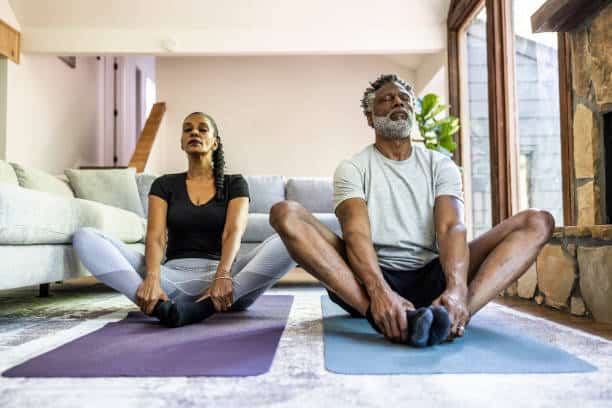
People have involuntary tremors for numerous reasons. Whether it’s temporary nerves or anxiety, or something more serious like a chronic condition, ‘the shakes’ can be a problem for us all. But when it comes to involuntary tremors that persist, then we’re talking about something that demands attention. A hallmark of Parkinson’s disease (PD), uncontrolled shaking isn’t just embarrassing or annoying; it can truly disrupt daily living. Sometimes, something as simple as buttoning up a shirt, holding a toothbrush, or just trying to eat can become monumentally more difficult. And although it’s true that certain medications can reduce these issues, their efficacy can often decrease with time. Fortunately, there are naturopathic approaches as well. Yoga – long used to relax and meditate – has actually shown very real, science-backed benefits for people with PD and similar diseases. Meanwhile, other forms of movement like Tai chi and Qigong are linked to significant improvements as well. Perhaps most amazing of all is not the impacts on tremors that these practices have, but their measurable impact on the brain, specifically neuroplasticity. Ready to rewire your brain? Don’t believe it’s possible? Have your doubts? This article will explore it all.

Essentially, PD tremors stem from a misfiring in your globus pallidus, a part of the brain that controls involuntary movements. When your body is under a lot of stress, especially at the cellular level, it can become extremely noticeable. Here’s the good news, though. Just as your brain can be responsible for an uptick in symptoms, it can also be responsible for a reduction in symptoms. The power of neuroplasticity – your brain’s ability to change its function and structure – is scientifically proven to alleviate symptoms. In a review by Parkinsonism & Related Disorders, merely exercising regularly has been shown to facilitate neuroplasticity, which is why movement activities like yoga, Tai chi, and Qigong are so useful. In fact, neural imaging actually shows that these exercises increase the gray matter in the specific areas of the brain responsible for motor activity. RELATED: Top Ways to Treat Parkinson’s Disease For people with Parkinson’s, this can be a life-changer. If you or someone you know has been assessed via UPDRS scores – a standard severity metric – you’ll be happy to know that these scores consistently improve with regular activity. And all it takes is 60-100 “MET-minutes” per week. If you’re not familiar with this term, simply Google “MET-minute calculator,” and you’ll be able to plan your activity to precision.

Looking to get started on your exercise routine? It doesn’t have to be vigorous or over-the-top. All you need is a little dedication, a healthy routine, and some patience as the effects settle in. For starters, consider Hatha and Vinyasa yoga. These forms offer specific poses as well as breath control, called pranayama. You’ll definitely want to try the Tree Pose, which improves balance, and the Warrior II, which helps with hip stability to address shuffling. Some studies find that yoga moves like these can reduce UPDRS scores by over five points in just eight weeks. Might not sound like a lot, but that can be the difference between struggling to get around and feeling fully capable and self-sufficient. Beyond this, yoga also helps with the neuroplasticity we mentioned. Research indicates that yoga can increase levels of Brain-Derived Neurotrophic Factor by almost 30 percent after a session, a crucial protein for the growth, function, and life of your neurons. Regular yoga sessions three times a week are also linked to a marked decrease in the number of ‘bad days,’ meaning you have more time to feel good and do the things you love!
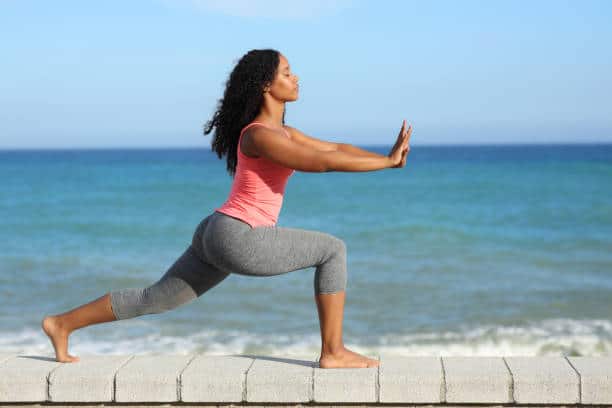
Also known as “meditation in motion,” Tai chi is a slow, circular flowing activity that really allows you to tap into your breathing and body. Some of the most noteworthy movements are Cloud Hands and Wave Hands. Together, these exercises have been scientifically linked to both an increase in one’s gait and an improvement in one’s balance. As a matter of fact, studies from Frontiers in Aging Neuroscience even show a significant decrease in tremor-prone falls. In other words, a big deal for people who risk injury from their physical struggles. And then you’ve got Qigong. Many people think of this ancient Chinese practice as a type of ‘energetic harmony.’ What that basically means is that you’re putting both your body and mind on the same page, so to speak. While it may seem a little strange, one of the most effective forms of Qigong is the Wuqinxi style. With this approach, you actually mimic animal motions, such as a tiger pouncing. Sounds silly? Turns out, people with PD who routinely practice this (40 min/day, 5x/week) report a significant reduction in the motor portion of the Unified Parkinson’s Disease Rating Scale. Interestingly, this outperforms even other traditional exercises that you’d think would be more useful. Beyond that, routine Qigong also demonstrates impacts on the physical brain, increasing the thickness of the cortex in motor regions. The results? Fewer and less severe tremors, greater stride length, and more overall control of physical maneuvers. In other words, the power of neuroplasticity at work! So, consider your options. If you find yourself struggling with the difficulties of tremors, walking, manipulating objects, and just getting around your home, you’re not alone. Yoga, Tai chi, and Qigong can all work together to make daily life significantly easier. But it gets even better. Many people with Parkinson’s suffer from depression and fatigue. Fortunately, both Tai chi and yoga show up to 30 percent reductions in these two issues, according to significant research. While the exact neurological reasons for this are unclear, scientists speculate that it has something to do with improved executive function, your brain’s ability to plan, organize, and complete tasks. Because depression often leads to difficulties in problem solving, planning, and impulse control, this is a critical finding. Ready to get going? Start easy with 20 to 30-minute sessions, three times per week. You may even seek the use of a PD-savvy instructor who can give you all kinds of pointers for adapting the exercises to your needs. Additionally, apps like PD Warrior can help you integrate poses and get the ball rolling immediately. With these activities, there are a few physical risks. You don’t have to worry about overexertion or getting injured, especially if you’re working with an instructor or specialist. Over time, with some practice and patience, you’ll be flowing your way to the more flexible, functional, happy brain and body you deserve!

By subscribing, you consent to receive emails from BlackDoctor.com. You may unsubscribe at any time. Privacy Policy & Terms of Service.