It’s that time again!
Whether you’re a winter, fall, summer, or spring person, most people agree that autumn is the perfect time for a savory soup. There’s something deeply satisfying about a big pot simmering on the stove, especially when it’s packed with classic ingredients, bold seasonings, and delicious, nutritious goodies the whole family can enjoy.
And here’s the best news.
Just because you’re cooking healthier doesn’t mean you have to abandon cultural faves or sacrifice cherished flavors.
Greens, sweet potatoes, beans, and peas – they can all become the foundation for hearty meals that support a health-conscious lifestyle. After all, it’s all about practicality. This is critical, given that familiarity, affordability, and convenience can make healthier eating much easier.
So, what are you waiting for?
If you’re looking to combine several foods associated with heart-healthy (and overall body-healthy) eating in one bowl, this article’s for you.
Here are six flavorful autumn soups to add to your rotation.
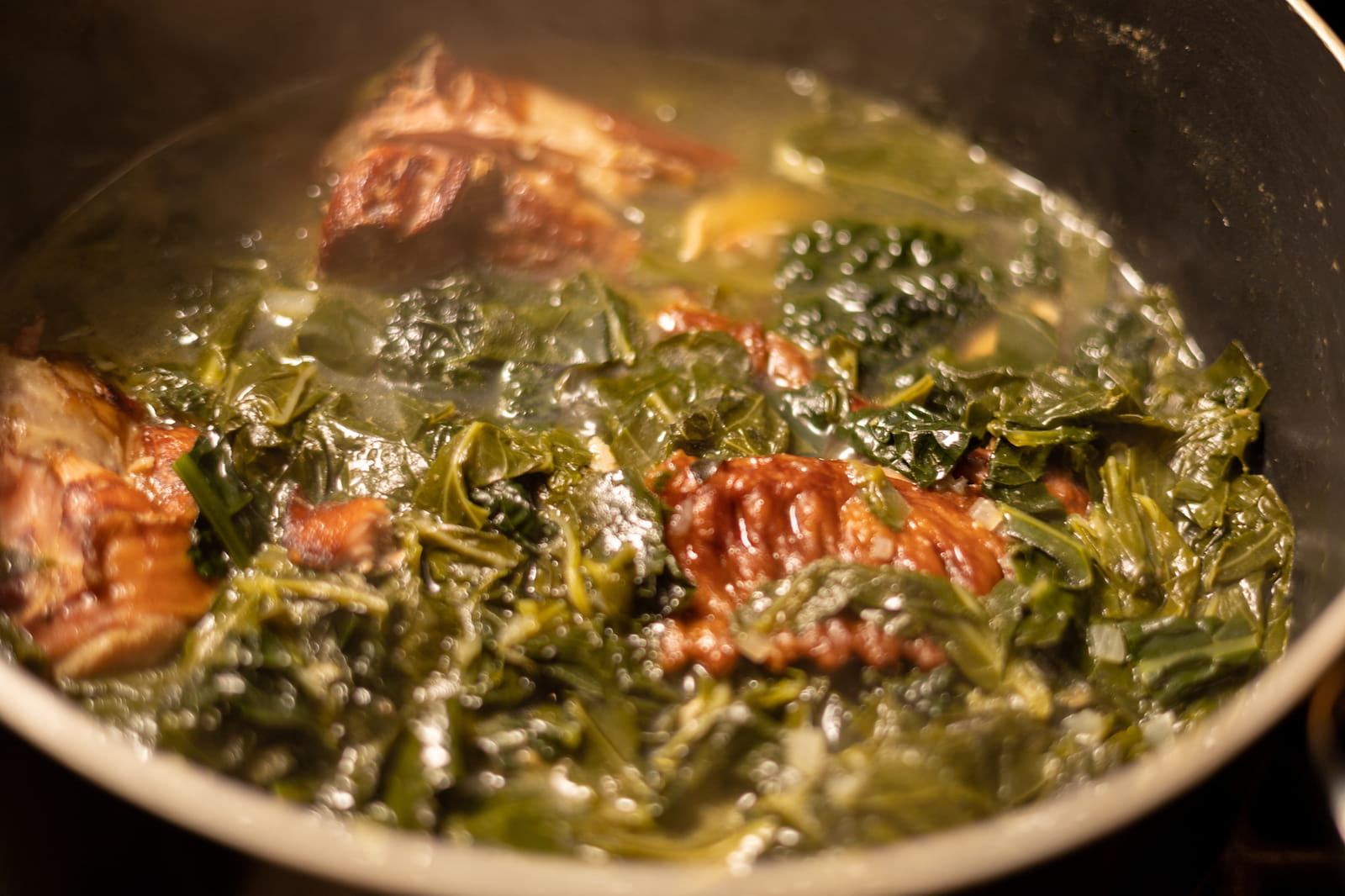
Think turkey, collards, and smoky seasoning—but in a bowl. This recipe can provide about six servings and is great for anyone who likes a little smoked bird with their veggies.
What You Need:
What You Do:
This recipe is a top choice not only because of the lean turkey protein and mineral-rich collard greens, but also because of what it doesn’t have.
The vinegar brightens the soup and helps you avoid adding more salt. That’s especially important because reducing sodium can affect blood pressure.
It tastes great, warms you up, and doesn’t tax the cardiovascular system!
RELATED: Fall Comfort, Island Flavor: Hearty Jamaican Soups to Try
Wishing you had some heavy cream? Turns out, you don’t need it. You can still get that much-desired creaminess without the downsides of high saturated fat and calories.
What You Need:
What You Do:
This one’s another winner for nutrition and deliciousness. For starters, the beans provide crucial fiber and plant protein, while the garlic brings serious flavor (and its own anti-inflammatory benefits).
In fact, a 2026 meta-analysis of 108 randomized trials found that garlic consumption may contribute to modest improvements in several cardiometabolic measures, including blood pressure, LDL cholesterol, and fasting glucose.
In the end, you get a rich taste without overloading on unhealthy cream.
Sweet potatoes are sweet, but they’re also rich in essential vitamins and antioxidants, while lentils fill you up and nourish you with fiber and protein.
What You Need:
What You Do:
If you’re trying to build a satisfying meal around plant foods, this is a smart option. Greater legume consumption is generally associated with a lower risk of type 2 diabetes, and sweet potato is a vital component in its own right, adding color, texture, and flavor without requiring brown sugar or marshmallow-style toppings.

Are you seeking something lighter but still satisfying? If so, start with chicken and load up on vegetables.
What You Need:
What You Do:
Overall, the total cooking time is about 30–35 minutes.
And the best part (aside from the chicken)?
It has to be the whole grains from the barley. In one large systematic review and dose-response meta-analysis, researchers found that greater whole-grain consumption was linked to lower risks of coronary heart disease and cardiovascular disease.
Then you have lemon, herbs, and garlic, which, while beneficial for their vitamins and minerals, are also important for what they offset. Thanks to their flavor combination, you can avoid going heavy-handed on the salt shaker.
RELATED: The Best Soups to Kickstart Your Immune System
Black-eyed peas – not just a musical group – are a leading consideration for any tasty, healthy, practical soup.
What You Need:
What You Do:
This meal idea is another promising combination that delivers fiber, plant protein, and plenty of texture. It’s also a unique foundation because black-eyed peas are high in fiber. In fact, high-fiber and plant-based diets are linked to reduced cardiovascular risk factors among middle-aged and older adults.
But don’t forget the tomatoes, too, which provide lycopene, a carotenoid studied for potential cardiovascular benefits. Some research has even found modest reductions in systolic blood pressure associated with lycopene supplementation.
Bright, creamy, and rich in character, thanks to fresh ginger.
What You Need:
What You Do:
This recipe is so satisfying because the chickpeas transform it from a light vegetable soup into a substantial meal. Chickpea consumption may also reduce post-meal glucose responses compared with carbohydrate-matched controls. In other words, potentially lower post-meal blood spikes!
Ginger has also been studied for its impacts on digestive health. According to one randomized controlled trial, ginger extract can improve several gastrointestinal symptoms among adults with functional dyspepsia.
Now, this doesn’t mean ginger soup is a treatment for digestive disorders—but it certainly makes it an interesting ingredient to keep around!
And that’s the beauty of all these recipes. While they’re certainly no replacement for common medications or healthcare, they do contribute to holistic health. And better yet, they’re not even that hard to prepare.
Soup is famously easy to batch-cook. Make a large pot, divide it into individual portions, refrigerate or freeze what you don’t eat right away, and make sure you don’t repeatedly reheat the entire batch.
This makes them good for family meals. You can always pair soups with a simple salad, some roasted vegetables, and/or a modest serving of whole-grain bread.
When it’s all said and done, that’s the wonder of soup. Comfort food doesn’t have to stop being comfort food just because you’re making it healthier. If anything, it only makes you more comfortable!

By subscribing, you consent to receive emails from BlackDoctor.com. You may unsubscribe at any time. Privacy Policy & Terms of Service.