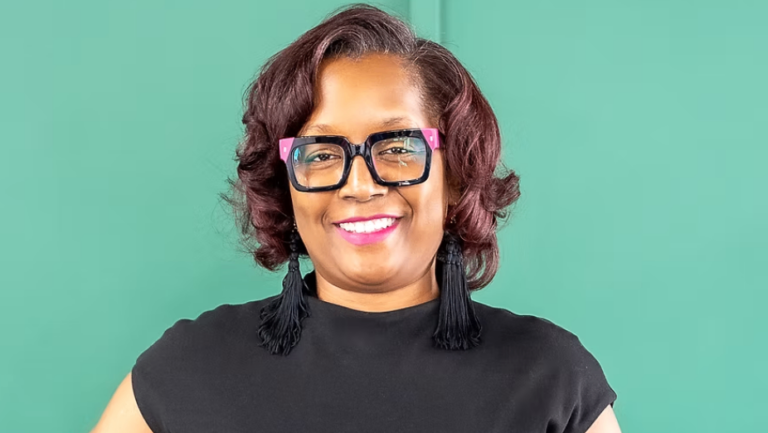
“I woke up like this”…or whatever Beyoncé said.
It can be that you wake up one morning and somehow injure your neck by sleeping.
Foods you’ve eaten for decades suddenly give you heartburn.
You walk into a room and forget why you’re there.
Hair begins growing in places you don’t want it while disappearing from places you’d prefer to keep it.
Welcome to life after 45.
There isn’t a biological switch that flips on your 45th birthday, but middle age brings gradual changes in hormones, metabolism, muscle, skin, sexual function and even the brain. Some are funny, some frustrating—and some worth discussing with your doctor.
Here are some of the stranger changes you may notice.
Beginning in adulthood, muscle mass gradually declines, and the process can become increasingly noticeable during middle age, especially without resistance exercise.
Less muscle can mean slightly less strength and a lower daily energy requirement. That’s one reason maintaining the same eating and exercise habits you had at 30 may not produce the same results at 45 or 50.
The good news: muscle responds to training at virtually every age. Strength training, adequate protein and regular physical activity can help preserve both muscle and bone.
You may weigh roughly the same but notice your body looks different.
Hormonal changes, declining muscle mass, genetics, sleep and activity levels can influence where fat is stored. During and after menopause, women commonly experience a shift toward more abdominal fat. Men can also accumulate more visceral fat with age.
Visceral fat—the fat surrounding internal organs—is particularly important because excess amounts are associated with metabolic and cardiovascular disease.
That expanding waistline isn’t simply cosmetic.
This doesn’t get discussed enough: your genitals age along with everything else.
For women, declining estrogen during perimenopause and menopause can make vaginal and vulvar tissues thinner, drier and less elastic. Natural lubrication may decrease, and sex can become uncomfortable or painful. Some women also experience urinary urgency, recurrent urinary tract infections or changes in sexual sensation.
Treatments can include vaginal moisturizers and lubricants, and for appropriate patients, prescription therapies such as low-dose vaginal estrogen.
Men may notice erections take longer to develop, aren’t as firm or require more direct stimulation. Testosterone gradually declines in many men as they age, although age-related changes vary considerably. Erectile dysfunction also becomes more common and can be influenced by diabetes, cardiovascular disease, medications, smoking, obesity and other conditions.
The penis may appear slightly smaller or less full when flaccid because of changes in blood flow, tissue elasticity or surrounding body fat. Testicular size can also gradually decrease.
One important point: persistent erectile dysfunction shouldn’t automatically be dismissed as “getting old.” Because erections depend heavily on healthy blood vessels, ED can sometimes be an early warning sign of cardiovascular problems.
Perhaps one of aging’s strangest tricks is relocating your hair.
Hair on the scalp may become thinner because follicles produce finer strands and spend less time actively growing. Genetics and hormonal changes can accelerate the process.
Meanwhile, some men discover increasingly enthusiastic eyebrow, ear and nose hair. Women may notice coarse hairs appearing on the chin or upper lip, particularly as the hormonal balance changes around menopause.
Apparently, your follicles did not receive the same retirement memo.
Collagen and elastin production decline with age. Skin gradually becomes thinner, drier and less resilient, while the fatty layer beneath it can decrease.
The result?
You may bruise more easily and have absolutely no memory of hitting anything.
Sun exposure accumulated over decades also becomes more visible through wrinkles, uneven pigmentation and age spots.
However, frequent, unusually large or unexplained bruises deserve medical attention, particularly if you’re taking medications that affect bleeding.
That midnight pizza may start fighting back.
Changes in gastrointestinal function, medications, body composition and lifestyle can affect digestion as we age. Acid reflux, constipation, bloating and food sensitivities may become more noticeable.
Some people also process alcohol differently as body composition changes, which may help explain why two drinks at 48 can feel very different from two drinks at 25.
Fiber, water, movement and paying attention to trigger foods become increasingly important.
Around the 40s, many people suddenly discover that restaurant menus have apparently begun printing everything in microscopic font.
The real culprit is usually presbyopia. The eye’s lens becomes less flexible, making it harder to focus on nearby objects.
Hearing may also gradually decline, particularly at higher frequencies. You might notice yourself asking people to repeat themselves more often—or turning the television up slightly louder.
Regular eye and hearing examinations can identify problems before they significantly interfere with everyday life.
You may fall asleep perfectly well at 9:30 p.m.—only to find yourself staring at the ceiling at 3:17 a.m.
Sleep architecture changes with age, and people often spend less time in deep sleep. Menopause-related hot flashes, sleep apnea, stress, alcohol, medications and urinary frequency can make things worse.
Poor sleep then affects appetite, mood, memory, blood pressure and energy, creating an unpleasant domino effect.
Persistent snoring, gasping during sleep or significant daytime sleepiness should be evaluated for sleep apnea.
Walking upstairs and forgetting what you came for doesn’t necessarily mean your memory is failing.
Processing speed and the ability to rapidly retrieve a name or word can become slower with age. Multitasking may also feel more difficult.
But the middle-aged brain has advantages.
Knowledge, vocabulary, pattern recognition and expertise accumulated through decades of experience can remain strong. Many adults also become better at putting problems into perspective and regulating emotional reactions.
In other words, your brain may occasionally misplace the car keys while becoming considerably better at understanding what actually matters.
One of the most interesting changes after 45 isn’t visible in the mirror.
People often begin reevaluating relationships, careers, health and how they spend their limited time. Things that once seemed enormously important may lose their urgency.
That can be healthy.
But midlife also brings substantial pressures: caring for aging parents, raising children, career demands, relationship changes, financial concerns, menopause and confronting one’s own aging. Anxiety and depression can emerge or worsen during this period and shouldn’t simply be written off as a “midlife crisis.”
Perhaps the strangest thing about getting older is realizing how much of aging remains within your influence.
You can’t stop every hormonal shift, gray hair or wrinkle. But exercise, sleep, nutrition, maintaining a healthy weight, avoiding tobacco, limiting alcohol, managing stress and keeping up with preventive medical care can profoundly affect how you experience your 40s, 50s and beyond.
And when something changes dramatically—unexplained weight loss, severe fatigue, abnormal bleeding, new sexual dysfunction, significant memory problems, persistent pain or a major mood change—don’t automatically blame your age.
Sometimes “I’m just getting older” is true.
Sometimes your body is trying to tell you something.


By subscribing, you consent to receive emails from BlackDoctor.com. You may unsubscribe at any time. Privacy Policy & Terms of Service.