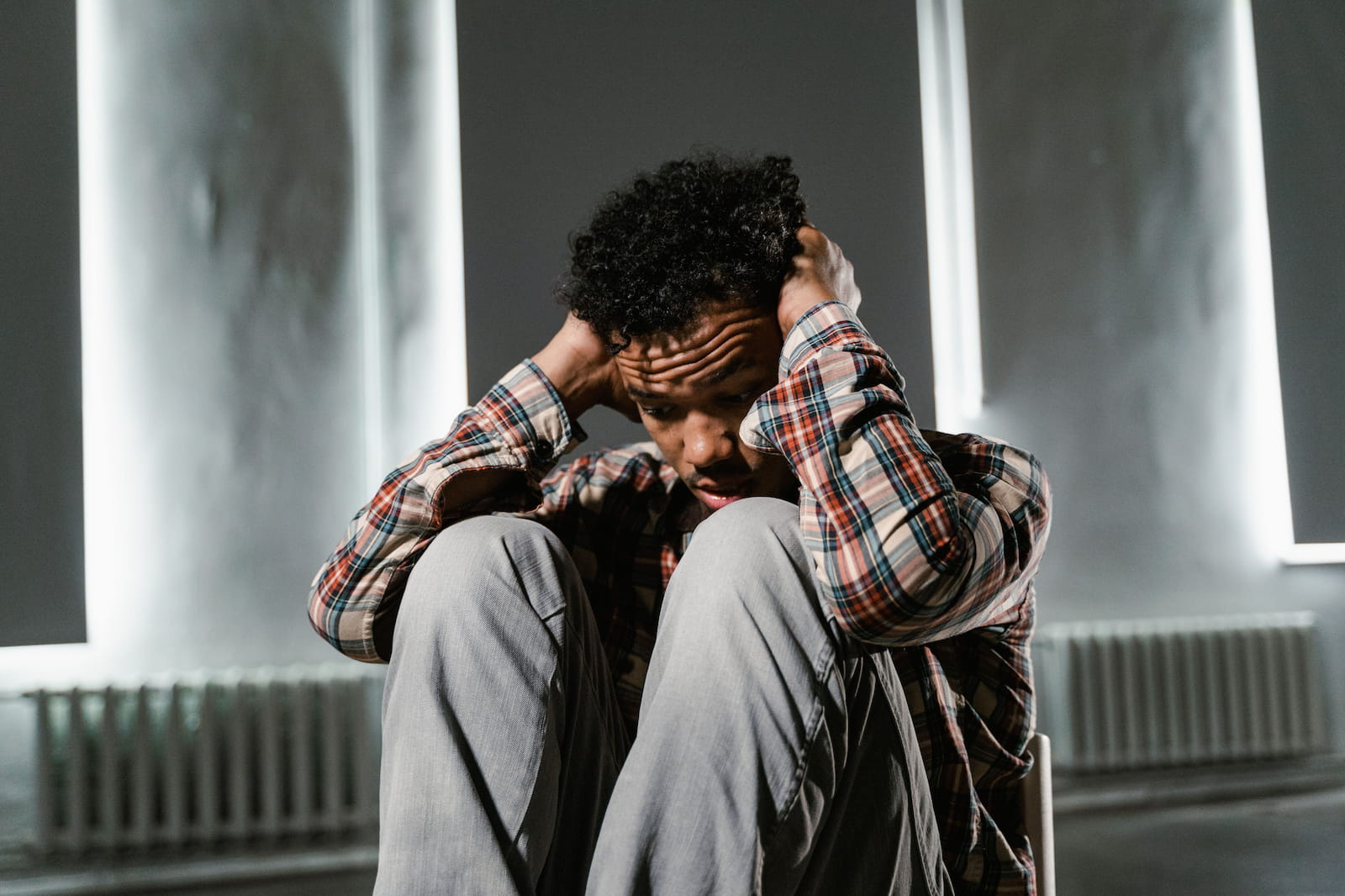
Here’s something to keep in mind this Halloween: Yes, fear can kill you – even if you are in good health.
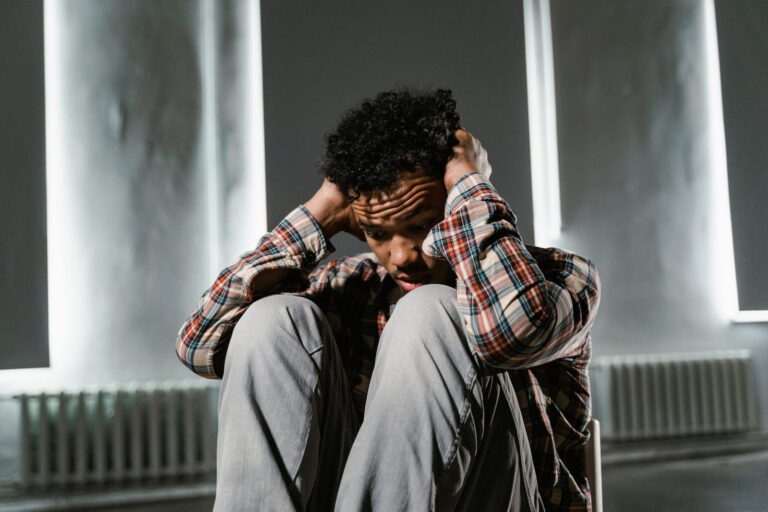
According to experts, when individuals feel an overwhelming fear – whether it’s real or perceived — their fight-or-flight response goes into high gear.
Whether you like it or not, your body is prewired to enter this state — also known as the stress response — when faced with unknown factors, according to the Centers for Disease Control and Prevention.
While normal symptoms accompanied by the response system may include sweaty palms, dry mouth, knots in your stomach, or even butterflies, a more serious reaction may result in your death.
When your body enters fight-or-flight, your heart rate increases, breathing quickens, pupils dilate, muscles tighten, and your blood pressure begins to rise.
You’re ready to act. Unfortunately, as your adrenaline levels rise, you’re left vulnerable to heart damage.
When released, adrenaline triggers calcium channels in the heart to open. “Calcium rushes into the heart cells, which causes the heart muscle to contract strongly,” Dr. Robert Glatter, an emergency physician at Lenox Hill Hospital in New York, told Live Science. “Basically, in a massive response, the calcium keeps on pouring in, and the heart muscles can’t relax.”
In other words, in the event a person is “scared to death,” a large amount of adrenaline will reach his or her heart, developing an arrhythmia called ventricular fibrillation (VF) — a rapid, life-threatening heart rhythm starting in the bottom chambers of the heart, causing your heart not to beat regularly as it should.
“It ultimately leads to a drop in blood pressure, because without blood for the brain, you lose consciousness,” Glatter added.
Take, for instance, the case of a Charlotte, N.C. man, Larry Whitfield, who was charged with the first-degree murder of a 79-year-old woman, Mary Parnell, whom police said he scared to death in 2008.
In an attempt to evade authorities after a bungled bank robbery, the Associated Press reported that the 20-year-old broke into and hid out in the home of Mary Parnell. Police say that while Whitfield didn’t touch Parnell, she died after suffering a heart attack that was triggered by terror.
The significance? High blood pressure, often called the “silent killer,” was a primary or contributing cause in 680,179 U.S. deaths in 2024, according to the CDC. That’s roughly 1,860 deaths every day.
Black Americans continue to experience the highest rates of high blood pressure of any racial or ethnic group in the United States. According to the CDC, 59.6 percent of non-Hispanic Black adults have high blood pressure, compared with 44.8 percent of non-Hispanic white adults and 44.9 percent of Hispanic adults. High blood pressure also tends to develop earlier in Black adults and is often more severe, contributing to higher risks of heart disease, stroke, kidney disease, and death.
One of the most important things to understand about fear-related medical emergencies is that people do not all respond to stress in the same way.
A healthy adult watching a horror movie may experience a racing heart and sweaty palms before quickly returning to normal. Someone with an underlying heart rhythm disorder or significant cardiovascular disease may face a different level of risk.
Factors that may increase vulnerability to serious cardiovascular complications include:
This does not mean that people with these risk factors must avoid every suspenseful movie or Halloween attraction. Most everyday experiences involving fear are not dangerous.
Rather, it means extreme fright shouldn’t be treated as universally harmless, especially when someone has a known medical condition or is visibly distressed.
It is also worth remembering that panic attacks can produce intense physical symptoms, including palpitations, dizziness, and chest discomfort. These symptoms can be frightening without necessarily indicating a life-threatening event. However, new or severe symptoms should never automatically be dismissed as anxiety, particularly when chest pain, fainting, or difficulty breathing is involved.
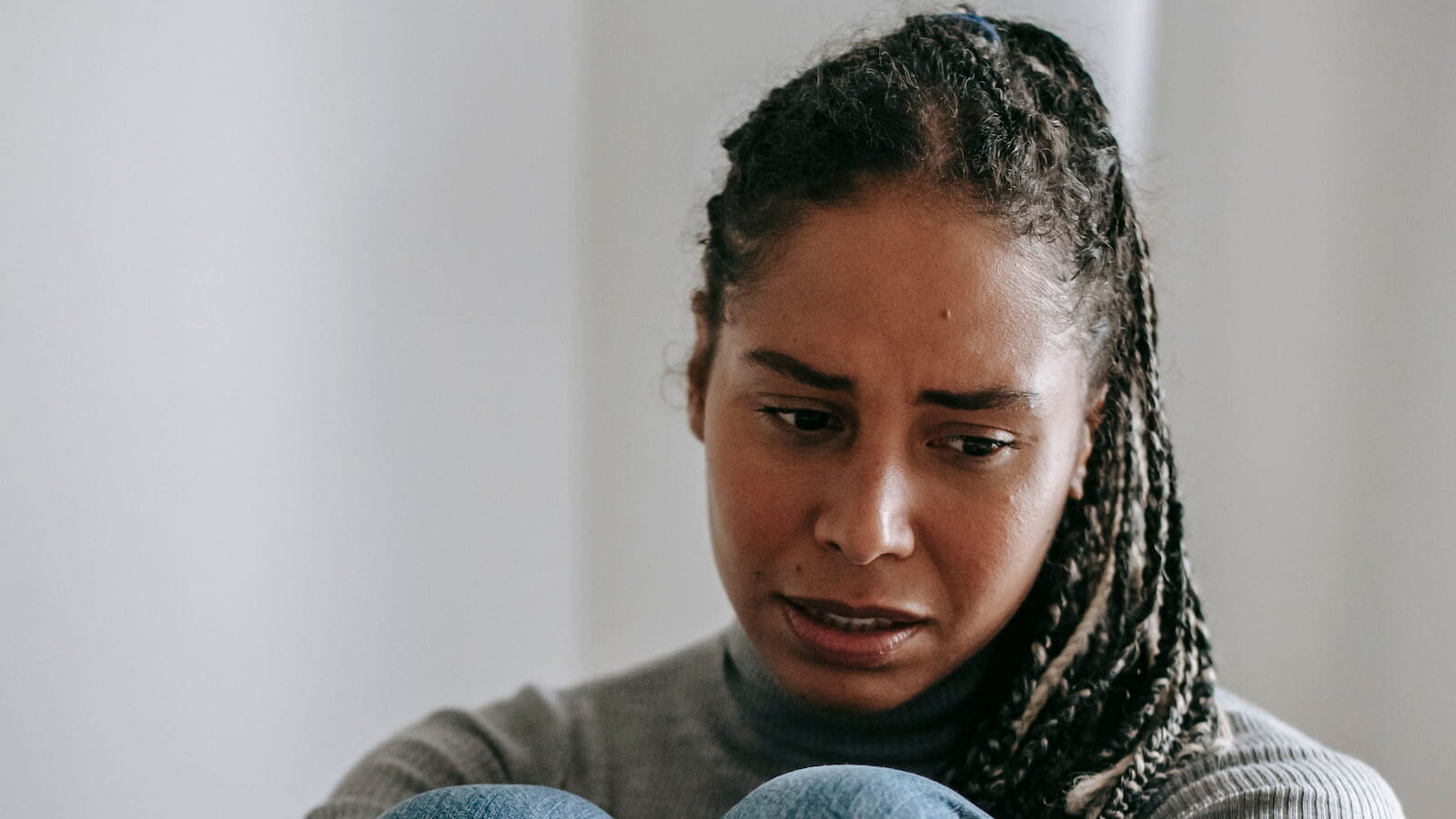
So now that you know how your body reacts to fear, let’s talk about what that means for your Halloween plans.
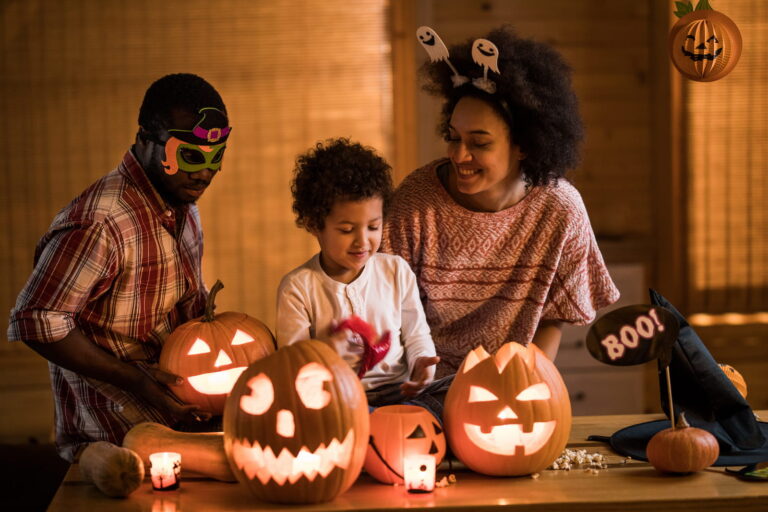
For a lot of us, Halloween is all about having fun. You get the haunted houses, the creepy decorations, the scary costumes, and those unexpected surprises that make the night memorable. Sometimes, a perfectly timed jump scare has everyone screaming, laughing, and begging to see it happen again.
But here’s the thing: there’s a big difference between a scare you sign up for and a prank that catches you completely off guard.
If you surprise someone with a sudden scare, they might trip, bump into something, or even have a panic reaction. And if that person has a medical condition, a big emotional shock can be even riskier.
That’s why it’s important to think twice before you go all out with a really intense prank.
If you want to keep Halloween spooky but safe, here are a few things to keep in mind:
1. Know your audience. A teenager who loves horror movies may enjoy an elaborate scare, while a younger child, an older adult, or someone with a history of trauma may find the same experience distressing.
2. Avoid dangerous physical setups. Never frighten someone near stairs, roads, swimming pools, sharp objects, or other hazards where a sudden movement could cause an injury.
3. Don’t target someone’s known medical vulnerabilities. If a person has a serious heart condition or has expressed concern about intense scares, respect that information instead of treating it as an opportunity for a prank.
4. Respect consent and personal boundaries. Haunted attractions and scary entertainment are best enjoyed when people understand what kind of experience they’re choosing.
5. Take distress seriously. If someone experiences chest pain, collapses, has difficulty breathing, or becomes unresponsive after a scare, don’t assume they’re simply being dramatic. Call emergency services when appropriate and follow the dispatcher’s instructions.
A Halloween prank should leave you with a great story to tell, not a reason to call for help.
Serious medical emergencies from a scare are rare, but knowing what to do if it happens can really make a difference.
If someone suddenly collapses and is unresponsive, check whether they are breathing normally and call emergency services. If they are not breathing normally, begin CPR and use an automated external defibrillator (AED) as soon as one is available, following the dispatcher’s instructions and the device’s prompts.
If someone suddenly has chest pain, trouble breathing, or faints, get medical help right away. Don’t just chalk it up to adrenaline.
Even if things seem to get better, any new chest pain or a possible heart rhythm problem needs to be checked out quickly.
Don’t try to figure out the cause on your own. What looks like a panic attack could be something else, and stress symptoms can look a lot like a heart attack or another emergency.
In an emergency, getting the right help fast is way more important than figuring out if fear started it all.
The short answer is yes, but there’s a lot more to it than just being ‘scared to death.’
Fear activates a powerful survival mechanism that prepares the body to respond to danger. Adrenaline increases heart rate, changes blood pressure, and influences the heart’s electrical and muscular activity.
For most people, these changes are temporary and don’t cause any harm. But in rare cases, a really intense scare can trigger a dangerous heart rhythm, a heart attack, or another serious problem.
If you have a heart condition, you might be more at risk, but everyone’s situation is different. Most of the time, a regular scare won’t cause a medical emergency, and just being scared doesn’t mean you’re in danger.
Still, it’s important to look after your heart all year, not just at Halloween. Keep an eye on your blood pressure, follow your doctor’s advice, stick to healthy habits, and know the warning signs of a heart emergency so you can protect yourself and the people you care about.
So as you get ready for Halloween, enjoy the costumes, the creepy decorations, the haunted houses, and the scary movies. Just keep in mind that the goal is to have fun—not to put anyone in harm’s way.
And if you’re thinking about jumping out from behind a door to scare your spouse, friend, or an unsuspecting family member, maybe pause and think it through first.
After all, the best scares end with laughter—not a visit to the emergency room.


By subscribing, you consent to receive emails from BlackDoctor.com. You may unsubscribe at any time. Privacy Policy & Terms of Service.