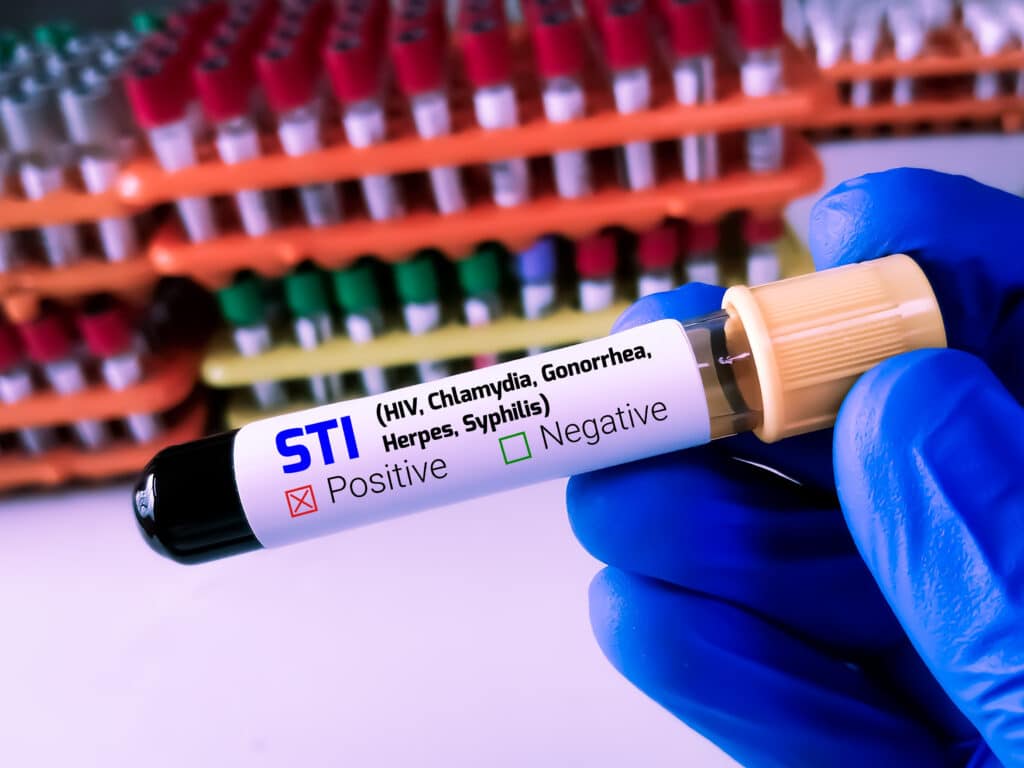
Even if you are with one partner, you can be at risk for a sexually transmitted disease (STD or infection (STI). If you are using condoms, they do not protect you 100% against all STIs. According to the Journal of Clinical Microbiology, women with STIs are misdiagnosed by emergency departments nearly 50% of the time. This leads to missed diagnosis of sexually transmitted infections since symptoms can be similar to those of say a urinary tract infection (UTI).
READ: 5 Things Every Woman Should Know About UTIs
Urinary tract infections are often overdiagnosed, and 64% of patients with an STI were diagnosed as having a UTI instead. Knowledge is power. Having an understanding of the common STIs can equip you to make safer decisions sexually and have better conversations with your doctor.
Genital herpes is characterized by a cluster of itchy, small red bumps or tiny white blisters which usually appear a few weeks after the infection. As the outbreak comes to an end, the skin will form scabs as the ulcers heal.
These uncomfortable bumps associated with herpes can sometimes be mistaken for other non-sexually transmitted infections such as ingrown hair, shaving or razor bumps, jock itch (tinea cruris), or genital eczema.
Unsure whether your bumps are a sign of herpes or not? Some other common signs of genital herpes infection to look out for include:
Gonorrhea is an STI which can take two to 10 days to develop fully. Gonorrhea symptoms can be a copycat of the symptoms usually attributed to a urinary tract infection. However, these are the symptoms you should be aware of which could signal that you have gonorrhea:
If you have these symptoms, immediately notify your physician or OB/GYN so that you can receive the proper treatment.
Chlamydia is a common infection which is transmitted sexually. If it is untreated, it can lead to infertility. Chlamydia is often underdiagnosed because the symptoms can be very non-specific or in some cases, non-existent. If symptoms are present, they would include some of these:
READ: 5 Ways To Help Prevent Yeast Infections
Pelvic inflammatory disease (PID) is not an STI. But, it is a complication which can develop following multiple STIs, specifically gonorrhea and chlamydia. When you have PID, the bacteria spreads to the uterus and female reproductive tract. It can result in infertility. Some of the signs you may have include fever, pelvic or low abdominal pain.
Other symptoms include:
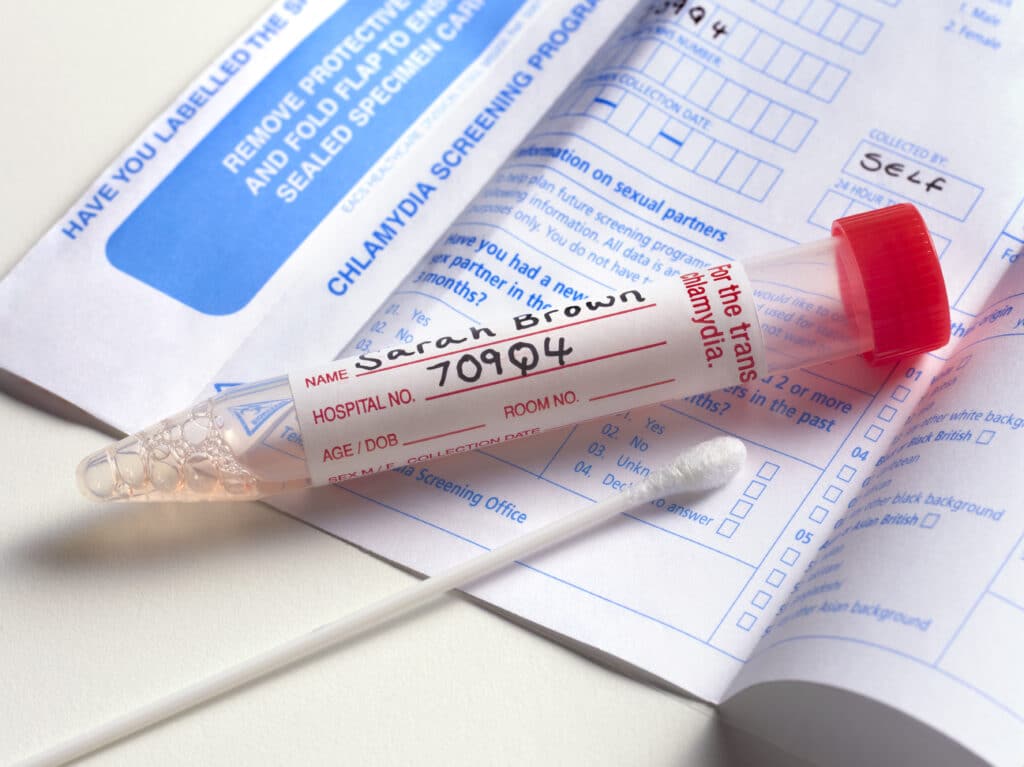
Trichomoniasis (also called trich) is a common, but curable sexually transmitted infection. It is caused by parasitic protozoa called Trichomonas vaginalis. There are 1 million new cases of trich that occur in the U.S. every year. This STI is one to be cautious of because women may have symptoms, but men do not. However, this STI can leave you more susceptible to contracting HIV if you are exposed. This makes it important to be tested and treated. It is spread via sexual contact with someone who is infected. Only 30% of people develop symptoms, which can range from mild irritation to severe inflammation.
Other symptoms include:
While yeast infections technically aren’t an STD, they do mimic them and very often are mistaken for them. If you are treating your symptoms and aren’t experiencing any relief for weeks, then you likely need a doctor to prescribe stronger medication (if it’s a confirmed yeast infection) or you need to get tested or examined for other vaginal health issues.
Yeast infections are actually quite common, with 3 out of 4 women experiencing them at some point in their lifetime (and men can experience them, too). For women, a yeast infection is a common fungal infection that develops when there is too much yeast in your vagina. Every woman has yeast in her vagina, and there is a certain amount that is healthy and normal. But when the bacteria in your vagina becomes unbalanced, it can lead to an overgrowth of a specific type of yeast called Candida, resulting in an uncomfortable yeast infection.
Most yeast infections are mild and can clear up within a few days with OTC treatment or prescribed medications. But others can be more severe and may take up to two weeks to clear. Some mild yeast infections can occasionally go away without any treatment and the help of home remedies, but more often than not, you will need OTC or prescription medications to treat the yeast infection.
If you choose to treat your condition with OTC medication or natural remedies and the symptoms don’t go away, you need to see a medical professional who can diagnose and treat you. You may be dealing with something other than a yeast infection.
The first line of defense against the damage caused by STIs is to avoid infection altogether. Reducing the number of sexual partners can limit the risk of infection, and the use of protection often prevents transmission of STIs between sexual partners. Even with these measures, it is important to get tested frequently, particularly with new or multiple sex partners.
Consistent testing is the best way to detect STIs that don’t exhibit any symptoms, particularly chlamydia, gonorrhea and HSV. STI testing is often available at a doctor’s office or local sexual health clinics. Given the stigma that often surrounds STIs, at-home testing is increasingly becoming a viable option to expand the number of people who regularly test for STIs. Vaccination is also key to preventing infection by several viral pathogens, including HBV and HPV, as well as STI-associated cancers. Together, testing and vaccination can reduce the spread of STIs and, in doing so, protect against the hidden damage they cause.
The Centers for Disease Control and Prevention (CDC) state that nearly 20 million new sexually transmitted infections occur annually, but many go unreported and are often undiagnosed. If your physician is treating you and they diagnose you with a urinary tract infection (UTI), make sure they also check for other sexually transmitted infections. Since the symptoms of UTIs can mimic those of STIs it’s important to make sure you rule out any exposure to an STI. Iff you find you are diagnosed with an STI, ensure that you receive the proper treatment.


By subscribing, you consent to receive emails from BlackDoctor.com. You may unsubscribe at any time. Privacy Policy & Terms of Service.