Air travel is a popular means of transportation. Millions of people come through airports every day. This means people are in constant contact with people and other passengers in airports. Airports today have created many security procedures in order to maintain safety when traveling, especially in the wake of COVID. But, what about safety once passengers are on the planes? There are several health hazards that are present in an air cabin during the flight.

One of the commonly used parts of the airplane is the tray table. So, it is highly possible that it collects tons of germs from each person that has used it.
Jonathon Sexton, a Mel and Enid Zuckerman College of Public Health at the University of Arizona research specialist states, “The tray tables are not commonly cleaned and get used heavily. Travelers eat and sleep on them, which allows for bacteria and viruses to transfer to the table and get passed along to the next traveler in that seat.”
From this, we can see that the tray table is home to tons of germs that we are exposed to.
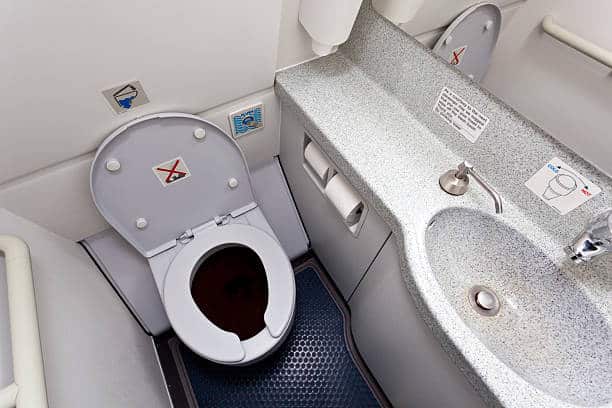
Bathrooms on planes are disease headquarters. The closet-sized space is shared among dozens of people, which increases the exposure of germs, bodily fluids, bacteria and infection.
A common issue is the excess amounts of water left by the sinks which become breeding grounds for the bacteria the last passenger has just rinsed off.
Sexton advises, “Wash your hands, use hand sanitizer and avoid touching your face and high contact surfaces if possible.”
RELATED: Traveling soon? Here’s 5 products to help COVID-proof your plane ride
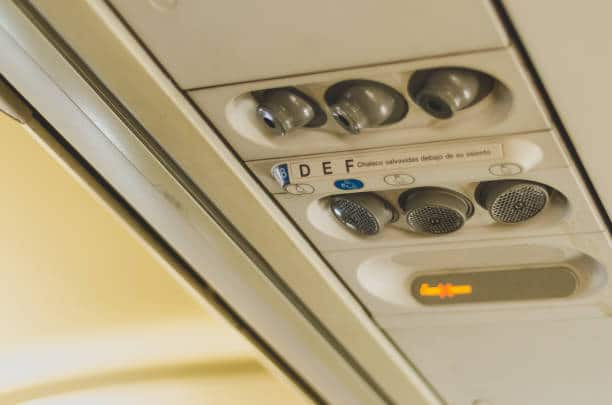
The air quality of the air cabin is not the greatest. Why? Because it is sharing recycled air with hundreds of strangers. Many people believe that breathing the same air that sick people breathe exposes you to germs. However, this is not the case. Airplanes are built so that they pull
in air from outside, compress it, filter it, and remove all particles and germs. The existing air in the air cabin is vented back outside. What makes the air a health hazard, however, is its removal of humidity.
Removing humidity from the air dries out mucous membranes, specifically in the eyes and nostrils. This dehydration causes people to rub their eyes and noses once they have been in contact with contaminated surfaces. This can lead to infection.
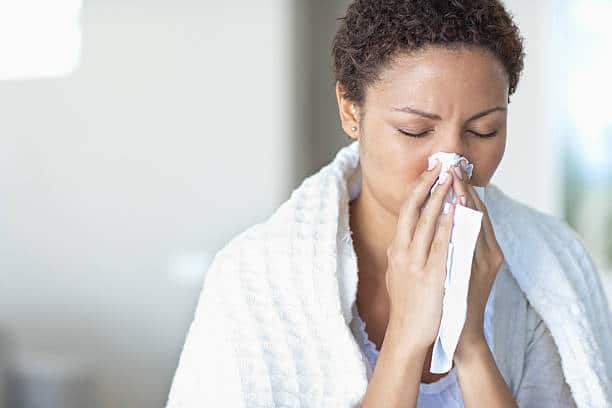
The chances of getting a cold or some type of bug during air travel is high. This is due to the low humidity of air cabins weakening our natural defense mechanism – mucus – and being in constant contact with a lot of strangers.
In fact, a 2004 study in the Journal of Environmental Health Research informs readers that the increased risk of catching a cold is over 100 times when compared to not flying.
RELATED: Traveling? 6 Tips To Expediting Your Time Through TSA

Many people do not realize the serious side effects and long-term health issues jet lag can cause. Jet lag is a sleep disorder that is mismatched from the body’s natural circadian rhythm. A National Library of Medicine National Institute of Health article on jet lag informs readers that some symptoms of jet lag include disturbed sleep, daytime fatigue, reduced alertness, headaches, and reduced ability to complete mental and physical tasks.
It also states, “Although frequent desynchrony is a transient disorder, it carries the potential to lead to long-term consequences including cognitive deficits, gastrointestinal (GI) disturbances, and an increased risk of cancer, infertility, and heart disease.” ‘
From this, it can be understood that jet lag is not to be taken lightly when traveling for several hours. Be sure to get your rest after landing.
Air travel presents several health hazards, therefore. be sure to take the necessary steps to maintain good health and reduce health risks.


By subscribing, you consent to receive emails from BlackDoctor.com. You may unsubscribe at any time. Privacy Policy & Terms of Service.