
Something as simple as having a glass of orange juice in the morning or an apple at lunch could be one of the keys to protecting your brain health. In fact, eating a predominantly plant-based diet may substantially slow the rate of cognitive decline in older Black adults, according to research. Alzheimer’s Diet
“Science is really coming out to support the importance of a healthy plant-based diet,” says Maya Vadiveloo, an assistant professor of nutrition and food sciences at the University of Rhode Island. “It doesn’t mean we can’t have any animal-sourced foods or low-fat dairy, but people should focus on eating more legumes and whole grains. These plant-based foods are really important for our overall health.”
RELATED: 7 Foods To Improve & Protect Your Memory
Featured on BlackDoctor
According to the study, the impact of diet on perceptual speed and episodic memory was especially dramatic for Black adults. Those who ate the healthiest plant-based diet experienced a 49.3% slower decline in perceptual speed and a 44.2% slower decline in episodic memory than their peers who ate a diet with more animal foods.
This is great news because while we know that there are several risk factors for developing memory loss that are out of our control, there are ways we can protect our brain health. All it takes is a simple change to our diet. Not sure where to start? Here are 16 foods that can lower your risk of developing memory loss:
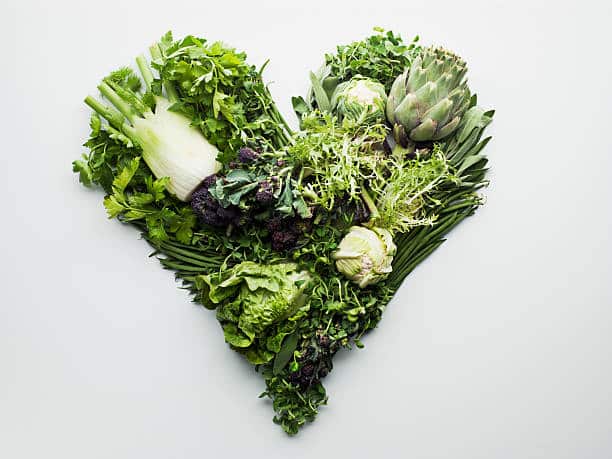
Green leafy vegetables have a strong, positive effect on our cognitive health. They are full of antioxidants and phytonutrients and are high in folate, which can predict whether or not you will develop dementia or Alzheimer’s.
These vegetables include:
RELATED: 5 Lifestyle Changes You Can Make to Improve Your Brain Health
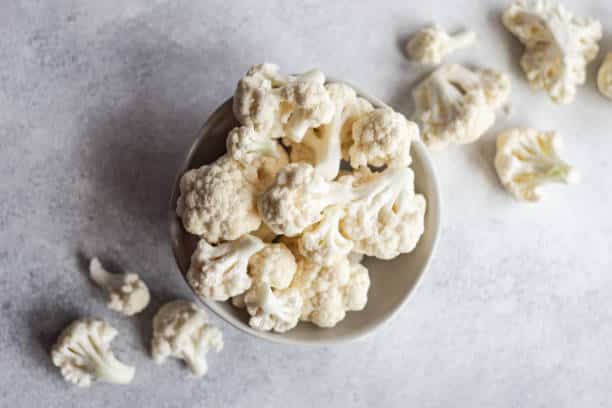
Non-starchy vegetables like broccoli, cauliflower, and Brussels sprouts are full of fiber, vitamins, and minerals, making them an important part of diets that support healthy brain aging.
Even better? These vegetables contain many antioxidants and anti-inflammatory compounds. Plant antioxidants can help treat and prevent mild cognitive impairment, according to studies. To fight inflammation and keep your brain healthy, try eating more cruciferous vegetables.
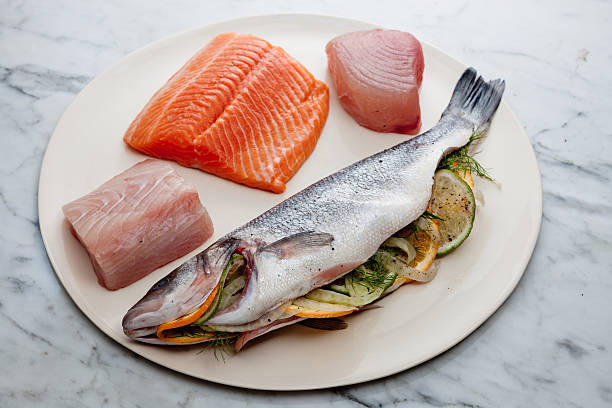
If you aren’t already eating fish on a regular, here’s a reason to add it to your diet. According to research, people who eat more fish containing healthy fats may experience less cognitive decline as they get older.
Many types of fish have high levels of omega-3 fatty acids, including:
Fish is also a great source of vitamin B12, which can affect brain health and cognitive impairment.
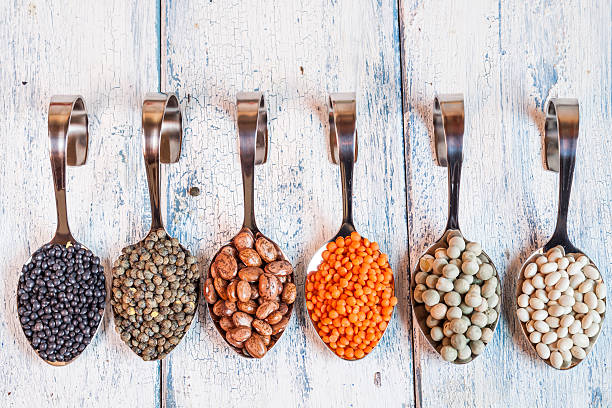
If you’re looking to lower your risk of developing memory loss, beans are the way to go because they provide important sources of protein, fiber, and complex carbohydrates. In fact, a study by Peking University in China found that elderly men who eat fewer legumes were more likely to have cognitive decline.

If you’re a fan of red wine, then you’re in luck! Enjoying one glass of red wine every now and then can help prevent brain aging due to its flavonoids, which have antioxidants and anti-inflammatories that promote brain health by reducing oxidative stress inside the cells of the brain. When drinking wine, remember to do so in moderation. Sugar-free, low-alcohol red wine is also a healthier option, if you can get past the taste.
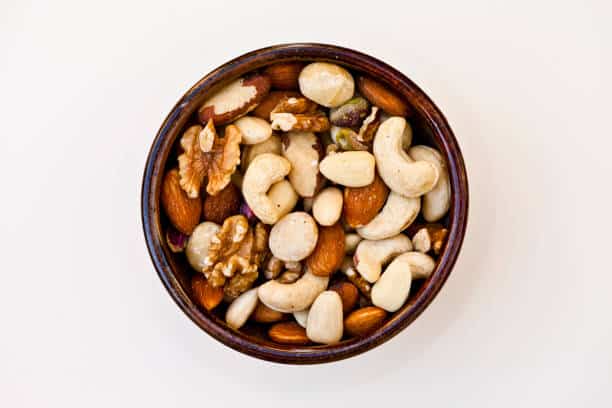
Nuts have double the benefits. They have lots of healthy omega-3 fatty acids, which as we mentioned earlier, will help you protect your brain health. However, they are also great at improving cardiovascular health as well. Better cardiovascular health means a lower chance of developing memory loss.
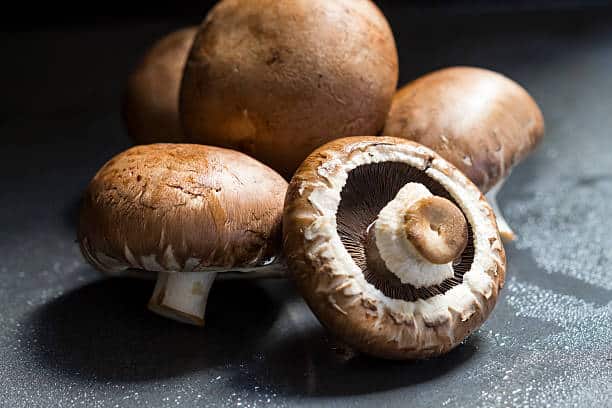
You’ve probably heard of prebiotics and probiotics being used to promote gut health and immune health. But did you know that they also have positive impacts on your brain health?
Prebiotic foods include:
Probiotic foods include:

There’s a direct link between bad cholesterol and Alzheimer’s disease. However, the good news is, that monounsaturated fats, the “good” fats in olive oil, increase your HDL levels (good cholesterol) and lower your LDL levels (bad cholesterol). Olive oil is also a healthier alternative to margarine or vegetable oil, which triggers inflammation.
RELATED: 5 Lifestyle Changes You Can Make to Improve Your Brain Health
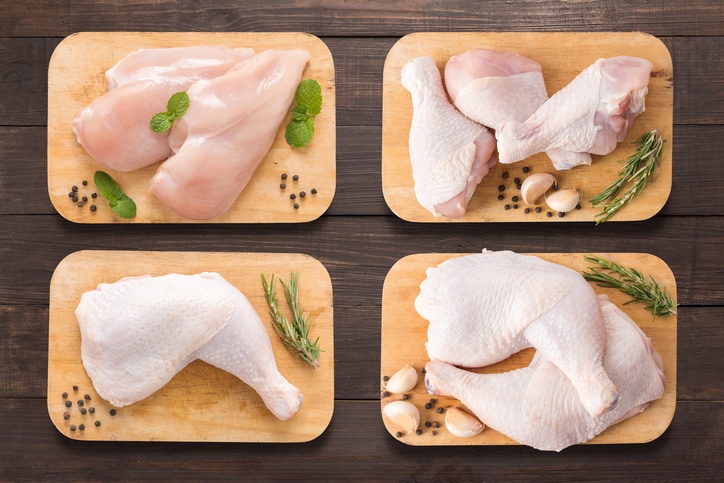
In order to prevent dementia and Alzheimer’s, it is wise to limit your consumption of red meat and pork and replace it with chicken and fish. Instead, aim for 1-2 servings of poultry per week.
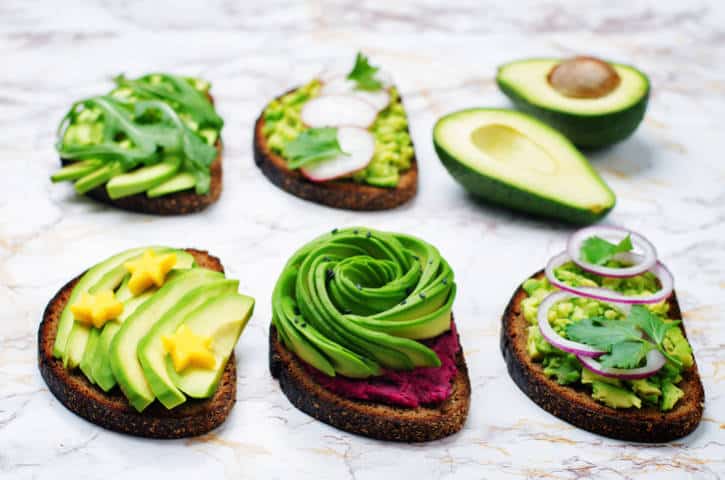
Avocados are full of healthy monounsaturated fats, just like olive oil. Eating monounsaturated fats (and omega-6 polyunsaturated fats) makes you less likely to develop Alzheimer’s disease and dementia.
What’s also great about avocados is that there is no shortage of ways to incorporate them into your meals. You can slice up some avocado and throw it in your salad, whip up some avocado toast or make some tasty guacamole.
RELATED: The 3 Midlife Factors That Raise Your Odds for Alzheimer’s

Unsweetened tea reduces your risk of developing mild cognitive impairment, dementia, or Alzheimer’s.
Green tea, in particular, is high in compounds called catechins (very strong antioxidants that are anti-inflammatory). According to researchers, these protective properties make green tea great for the brain.
It is best to avoid sweetening your tea at all costs, but if you must sweeten it, try monk fruit or stevia extract.
RELATED: When Grapes & Blueberries Are Combined, Your Memory Improves
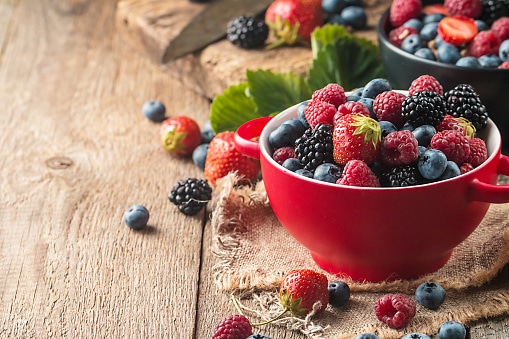
Berries contain flavonoids making them great at fighting memory loss.
Berries are also full of:
Studies have also shown that berries can be beneficial. One study found that participants improved their memory simply by drinking a glass of blueberry juice every day. Another found that subjects were less likely to develop Alzheimer’s if they ate more strawberries.
Sweets are great to indulge in on the occasional cheat day, however, too many sweets can have damaging effects on your health.
Eating sugar creates inflammation in your body, which can lead to cognitive impairment, dementia, and Alzheimer’s. This is why it’s best to cut sugar from your diet wherever you can.
You should avoid the following:
Although healthy fats are highly encouraged, trans fats, which are often found in processed foods, are unnatural. Looking to cut trans fat out of your diet? Try to limit your consumption of fried foods and avoid highly processed foods. It is also wise to swap hydrogenated oils for olive oil.
If you love bread and pasta like most people, this news may be difficult to hear. The good news, however, is that there are plenty of grain-free, zero-carb and keto-friendly recipes for bread substitutes that can help you forget about traditional grains.
In short, salt is not good for your cardiovascular health and can eventually lead to Alzheimer’s. Instead of reaching for the salt shaker, try zero-carb herbs and spices to add flavor to your food. It is also best to steer clear of fast food or processed foods (including frozen meals), which usually contain a lot of salt. If you can, try cooking more at home. This gives you the opportunity to control what goes into the food you eat.



By subscribing, you consent to receive emails from BlackDoctor.com. You may unsubscribe at any time. Privacy Policy & Terms of Service.