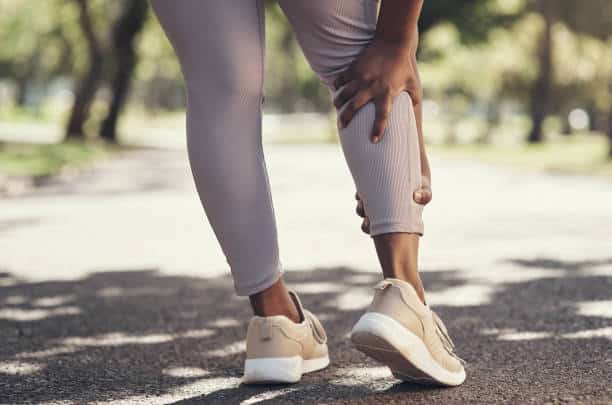
Now that we’re coming out of COVID, it’s expected that more Americans will be traveling this year than in years past. As we prepare to travel distances near and far, sitting for extended periods of time can make you prone to developing Deep Vein Thrombosis (DVT) and pose a serious risk to your health.
DVT is a blood clot (thrombus) in a deep vein, usually in the leg, thigh, arm or pelvis. Though there are several symptoms, 50% of people who have DVT may not experience any symptoms at all. The CDC reports as many as 900,000 Americans are affected by DVT each year.
Because you’re in a stationary position for a longer period, you’re much more prone to develop this condition with long-distance travel. And you’re three times more likely to develop DVT with air travel. Long-distance travel is defined as traveling more than 4 hours by air, car, or bus.
Long-distance travelers are at a higher risk for this condition if they are part of a group of people living with risk factors such as pregnancy, smokers, and those who are obese among others.
RELATED: 7 Lifestyle Changes That Can Prevent DVT
The following symptoms are associated with the onset of DVT:
Having an active lifestyle and being sufficiently hydrated is the best preventive method for DVT. If you have been treated for DVT or diagnosed before, some doctors will recommend trunk exercises for a leg with DVT that includes both arm and trunk exercises. While for an arm with DVT, doctors recommend trunk and leg exercises.
Compression socks are also highly recommended during travel as well as for providing daily protection against DVT. They also enhance your lifting and cardio performances by distributing consistent pressure over the calves. Compression socks also improve blood flow and promote adequate circulation while ensuring a pain-free workout and pain relief post-workout by reducing fatigue, cramping and soreness.
The following exercises are recommended if you begin to feel symptoms or in general to prevent symptoms during long-distance travel.
RELATED: 9 Signs You May Have A Leg Blood Clot
1. Foot Pumps. With your feet on the floor, lift your heels up while keeping the balls of your feet planted on the floor. Hold the pose for about 30 seconds. Set your heels back on the floor and lift your toes up. Hold for 30 seconds. Repeat these alternating stretches for at least two minutes.
2. Ankle Circles. Lift your feet off the floor and begin to trace circles with your toes clockwise. Do this for at least a minute then switch direction. Repeat both directions a few times.
3. Leg Lifts. Lift your feet off the floor and straighten your leg out as far and as much as you can, while keeping your ankles and your toes pointed upward for a few seconds. Relax your leg, then repeat with the other leg. Alternate each leg up to 2 minutes at a time.
4. Knee Pull-ins. One leg at a time, bend your leg, and hug your knee as close to your chest as you can. Make sure to keep your back straight, holding the pose for at least 30 seconds. Then alternate each side a few times.
5. Knee Extensions. While in a seated position, straighten your right knee, increasing the space at the back of the knee to its full range. Hold the position for at least 20 – 30 seconds. Repeat with your left knee.
Do all exercises in moderation and consult with a physician if you’re prone to DVT before attempting any of these exercises. You should stop any movement if you encounter increased pain or discomfort.


By subscribing, you consent to receive emails from BlackDoctor.com. You may unsubscribe at any time. Privacy Policy & Terms of Service.